Am I Going to Be Replaced by AI? A Conversation We Need to Have
Sep 27, 2025
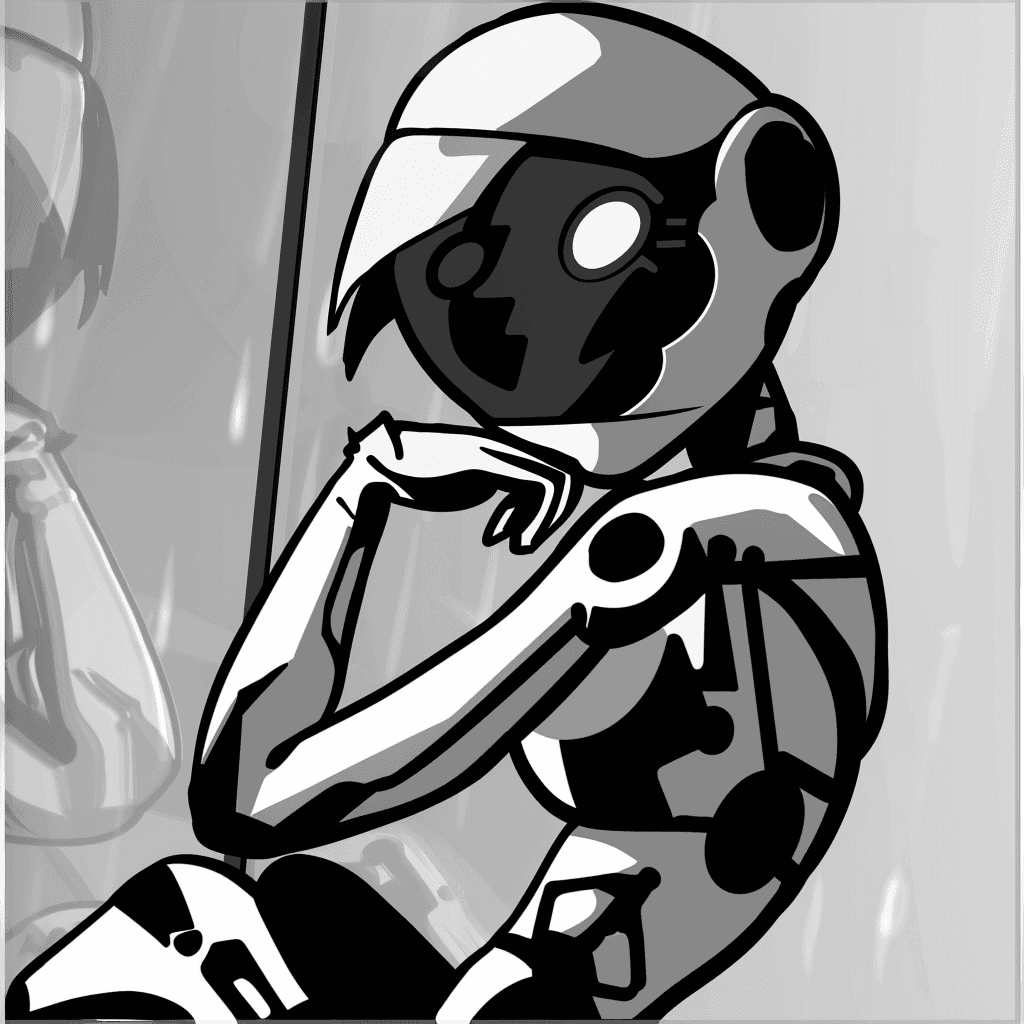
It’s the question that hangs quietly in the back of Zoom meetings.
It comes up after a new AI tool is demoed.
It echoes in the silence after a colleague says, “I used ChatGPT for the first draft.”
Am I going to be replaced by AI?”
If you’re in medical communications — as a writer, strategist, editor, or creative — this is no longer a hypothetical. It’s a real, reasonable fear. And it deserves a real, thoughtful response.
So let’s talk about it. Openly. Without spin. Without tech evangelism. Just you, your career, and the future.
What’s Really Going On?
Let’s be honest. AI is good. Not perfect, not human — but good.
It can write summaries of journal articles in seconds.
It can generate slide headlines, reword MOA blurbs, even create initial copy for tactics.
Some agencies are already experimenting with “AI writers” or hybrid workflows to cut costs and timelines.
It’s not paranoia to wonder what that means for your job.
But here’s what’s also true:
AI doesn’t replace people. It replaces tasks.
The key question isn’t “Will I be replaced?”
It’s “Am I only doing the kinds of tasks that are replaceable?”
And if the answer is yes, that’s not a death sentence. It’s a signal — and an opportunity — to shift.
If It Feels Personal, That’s Because It Is
Here’s the hard part: this isn’t just a job function shift. For many of us, writing, messaging, clarifying — that’s how we define ourselves.
So when AI comes for those tasks, it feels like it’s coming for us.
You may find yourself thinking:
“If a machine can do what I do, was I ever really that skilled?”
“Do I even have a role anymore in this new world?”
“What if I get found out as not being ‘technical enough’ or ‘scientific enough’ to compete?”
These are deep, identity-shaking questions. And if you’ve asked them, you’re not alone. They’re not signs of weakness — they’re signs that you care. That you’re human. And that you want to matter.
So let’s get to the good news.
—-
You Are Not a Commodity. You Are a Thinker.
AI is amazing at generating. But it's clueless about context. It doesn’t understand nuance. It doesn’t know what it's saying — it just predicts what a plausible answer might look like.
That means AI can draft — but it can’t discern.
It can summarize — but it can’t synthesize.
It can fill in blanks — but it can’t ask the right questions.
You, on the other hand, can.
Your value doesn’t lie in how quickly you can fill a deck or paraphrase a study. It lies in:
Understanding what matters and why
Asking strategic questions that shift the direction of a project
Making science accessible without dumbing it down
Spotting the story in the signal
Giving a client the confidence that they’re on-message, on-science, and on-strategy
Those aren’t prompts. Those are human judgment calls. And they are not automatable.
So What Do You Do Now?
Let’s break this down into a shift — not in your job title, but in your mindset.
1. Stop trying to outwrite AI. Outthink it instead.
You don’t need to prove you’re faster. You need to prove you’re smarter — at connecting insights, applying science, and crafting stories.
2. Learn the science behind the words.
The more you understand biology, trial design, and treatment context, the more you can see past surface-level summaries. This is where depth wins over speed.
3. Use AI as a tool, not a crutch.
Yes, use it to draft. But then interrogate what it gives you. Ask: Is this true? Is this relevant? Is this aligned with strategy? Let AI do the heavy lifting, but you stay in the driver’s seat.
4. Start building your irreplaceable layer.
Ask yourself: What do I bring to the table that can’t be templated? The answer might be storytelling, insight synthesis, medical intuition, brand thinking — or all of the above.
5. Invest in the skills that deepen your value.
Not surface tricks. Not AI hacks. But core knowledge — especially scientific knowledge — that lets you move from “just a writer” to “trusted thinker.”
What the Industry Will Need Next
Over the next few years, the content production volume is going to explode. But the ability to extract meaning from it — to frame, to clarify, to communicate — will become rarer and more valuable.
This is the moment to become someone who:
Doesn’t just explain the data, but understands the implication
Doesn’t just follow the brief, but elevates it
Doesn’t just “write,” but builds clarity and trust across teams
And that’s not about competing with machines.
It’s about being so human, so insightful, so trusted, that no tool can replicate what you do.
Final Thought: You’re Not Being Replaced — You’re Being Called to Rise
It’s scary. It’s disorienting. But it’s also exciting.
The future of medical communications belongs to those who are willing to evolve — not into machines, but into more deeply human versions of themselves: curious, contextual, critical-thinking communicators.
If there’s a path forward, it’s not in racing the algorithm. It’s in doing what no algorithm can: thinking bravely, learning deeply, and telling stories that actually move people.
So here’s the real question:
Not “Will I be replaced?”
But “Am I ready to grow into what only I can be?”
Looking Ahead
The tools will keep evolving. The timelines will keep shrinking. The demand for smarter, faster, sharper will keep rising.
And you?
You can either try to keep up — or step back, learn what matters, and level up in a way that makes your place in the room not just relevant… but essential.
That’s what investing in your future looks like. Whether that’s a course, a mentor, a new habit, or a whole new way of thinking — it starts with the decision that you are not replaceable.
You’re just getting started.